If you are thinking about straightening your teeth, improving your bite, or starting orthodontic care for your child, one of the first questions you may ask is, “Do I qualify for braces or Invisalign?” The answer depends on several factors, including your tooth alignment, bite, jaw development, oral health, age, and daily habits.
At Modern Orthodontics, we help children, teens, and adults throughout New York City understand their treatment options with personalized orthodontic care in Tribeca, Harlem, and the Bronx. Our team offers traditional braces, Invisalign clear aligners, retainers, early orthodontic care, and advanced treatment planning designed around each patient’s needs.
This Article will address
- How an orthodontist determines candidacy
- When Invisalign may be a good option
- When braces may be the better choice
- What types of teeth Invisalign may not be able to fix
- How oral health and lifestyle affect treatment options
- Whether insurance may cover orthodontic treatment
- Why a consultation is the best way to confirm your next step
What Makes Someone a Good Candidate for Orthodontic Treatment?
A good candidate for orthodontic treatment usually has healthy enough teeth and gums for tooth movement, a concern that can be corrected with braces or aligners, and the ability to follow care instructions during treatment. Orthodontic care may be appropriate for children, teens, and adults, depending on their needs.
Patients often seek treatment to:
- Improve tooth alignment
- Correct bite problems
- Make daily brushing and flossing easier
- Address crowding or spacing
- Improve smile appearance
- Support long-term oral health
- Reduce uneven wear caused by bite issues
At Modern Orthodontics, we create individualized treatment plans for patients in Tribeca, Harlem, the Bronx, and surrounding New York City communities. Our goal is to recommend the option that fits the patient’s smile, health, and lifestyle.
How Does an Orthodontist Determine Candidacy?
An orthodontist determines candidacy by evaluating your teeth, bite, jaw position, oral health, and treatment goals. This process helps identify whether braces, Invisalign, retainers, early orthodontic care, corrective jaw treatment, or another option may be most appropriate.
An orthodontic evaluation may include:
- A conversation about your smile goals and concerns
- A review of your dental and orthodontic history
- An exam of your teeth and gums
- Evaluation of your bite alignment
- Assessment of crowding, spacing, and tooth position
- Digital scans or imaging when needed
- Review of jaw growth or jaw alignment concerns
- Discussion of lifestyle and treatment preferences
- A personalized recommendation based on your needs
Modern Orthodontics uses advanced technology, including digital scanning, 3D imaging, and AI-assisted treatment planning, to support accurate diagnosis and personalized care.
Do I Qualify for Invisalign?
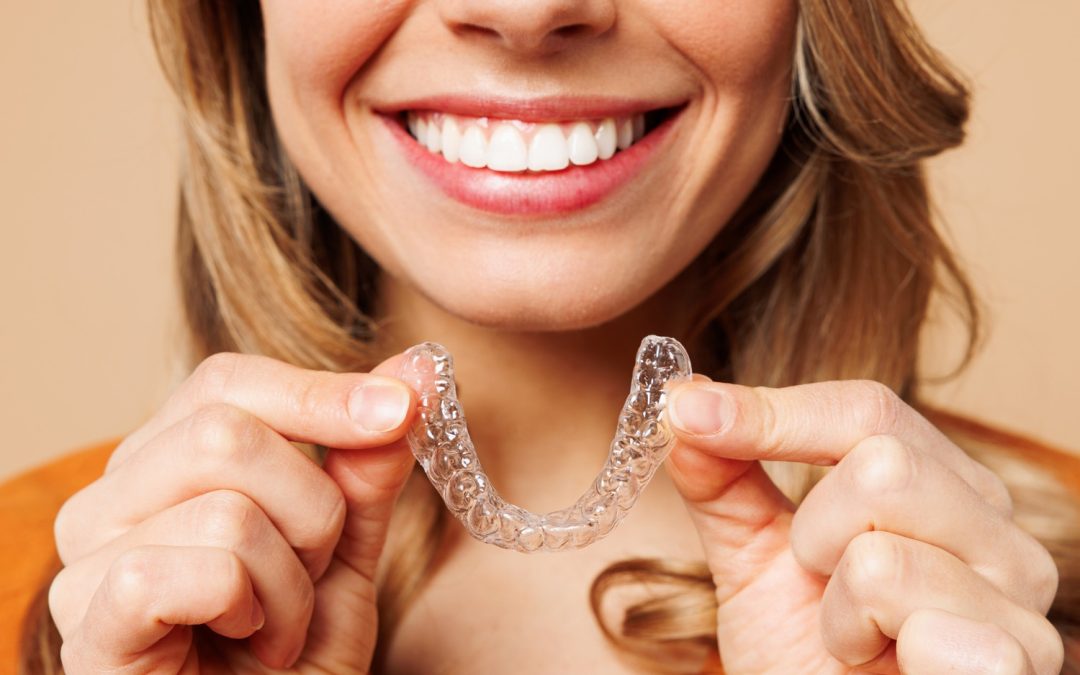
Invisalign has changed over the decades since its introduction. The technology has progressed to the extent that most orthodontic cases that qualify for braces will also qualify for Invisalign.If you want a clear, removable alternative to braces, we believe that Invisalign is the best clear aligner system that currently exists. Invisalign can be helpful for patients who want to straighten their teeth with less impact on eating, brushing, and daily appearance.
You may qualify for Invisalign if:
- You have crowding of your dentition
- You have gaps between your teeth
- You have concerns about the alignment of your teeth
- Your teeth have shifted after past orthodontic treatment
- You want a more discreet option
- You can wear aligners as directed
- You can remove aligners for meals and cleaning
- Your teeth and gums are healthy enough for treatment
Invisalign can be a good fit for responsible teens and adults who can stay consistent with daily wear. Since the aligners are removable, they offer flexibility, but that flexibility also requires commitment.
Who Is a Better Candidate for Braces?
Braces may be a better choice for patients with more complex orthodontic needs. Because braces are fixed to the teeth, they work continuously and do not depend on the patient remembering to wear aligners.
You may be a better candidate for braces if:
- You have severe crowding
- You have complex bite concerns
- You have significantly rotated teeth
- You have impacted teeth
- You need more precise tooth movement
- You may forget to wear removable aligners
- You prefer a fixed treatment option
- Your orthodontist believes braces will provide a more predictable result
Braces can be an excellent option for children, teens, and adults. They are especially useful when an orthodontist needs more control over tooth movement or bite correction.
What Type of Teeth Can Invisalign Not Fix?
Invisalign can treat many orthodontic concerns, but it may not be ideal for every case. Some tooth positions and bite issues require more control than removable aligners can provide.
Invisalign may not be recommended for:
- Severely rotated teeth
- Impacted teeth
- Patients who cannot wear aligners consistently
- Patients who have uncontrolled gum disease or unrestored cavities
- Patients who have severe TMJ disease who are not under the care of a TMJ specialist
This does not mean Invisalign is never possible in complex cases. It means an orthodontist needs to evaluate the details of your teeth, bite, and jaw relationship before recommending treatment. If Invisalign is not the best fit, braces or another orthodontic approach may provide a better result. Sometimes we will use a hybrid approach using a combination of braces and Invisalign in order to strive for the best of both worlds!
How Do Lifestyle and Compliance Affect Invisalign Candidacy?
Lifestyle plays an important role in Invisalign candidacy. Invisalign can be convenient and discreet, but it only works when aligners are worn as directed.
Factors that may affect candidacy include:
- Ability to wear aligners for the recommended amount of time each day
- Willingness to remove aligners before eating or drinking
- Ability to clean aligners properly
- Ability to keep track of aligners
- Consistent brushing and flossing habits
- Attendance at scheduled orthodontic visits
- Comfort with following a structured treatment plan
For patients who prefer not to manage removable aligners, braces may be a better option. Because braces stay in place, they continue working throughout the day without relying on aligner wear time.
Do I Need Healthy Teeth and Gums Before Braces or Invisalign?
Yes, patients generally need healthy teeth and gums before starting braces or Invisalign. Orthodontic treatment moves teeth through the surrounding bone and gum tissue, so existing dental concerns may need to be addressed first.
Before treatment, your orthodontist may consider:
- Untreated cavities
- Active gum disease
- Dental infections
- Poor oral hygiene
- Enamel concerns
- Missing teeth or dental restorations
- Jaw alignment or TMJ concerns
Having one of these concerns does not always prevent orthodontic treatment. In many cases, it simply means dental care may be needed before braces or Invisalign begins. Starting treatment with a healthy foundation can support a safer and more predictable outcome.
Does Insurance Cover Orthodontic Treatment?
Some dental insurance plans cover part of orthodontic treatment, but benefits vary by plan. Coverage may depend on age limits, deductibles, lifetime orthodontic maximums, and whether the plan includes braces, Invisalign, or both.
When reviewing your insurance, it may help to ask:
- Does my plan include orthodontic benefits?
- Is there an age limit?
- Does my plan cover braces?
- Does my plan cover Invisalign?
- Is there a lifetime orthodontic maximum?
- Are there waiting periods?
- What portion of treatment is my responsibility?
Modern Orthodontics accepts most major insurance plans and offers financing options for out-of-pocket costs. Our team can help you better understand your options during the consultation process, but final coverage depends on your individual plan.
Are Braces or Invisalign Better for Children, Teens, or Adults?
Braces and Invisalign can both be appropriate for different ages. The right option depends on tooth development, case complexity, oral health, and the patient’s ability to follow treatment instructions.
- Children: A child may need an orthodontic evaluation if there are early signs of crowding, spacing, jaw growth concerns, or bite problems. Early care can help guide development and may reduce the complexity of treatment later.
- Teens: Teens may qualify for braces or Invisalign depending on their orthodontic needs and level of responsibility. Invisalign may be appropriate for teens who can wear aligners consistently, while braces may be better for more complex cases.
- Adults: Adults can qualify for braces or Invisalign if their teeth and gums are healthy enough for treatment. Many adults choose orthodontic care to improve alignment, bite function, and confidence.
Modern Orthodontics provides orthodontic care for patients of all ages across New York City, including Tribeca, Harlem, and the Bronx.
How Do I Find Out Which Orthodontic Option Is Right for Me?
The best way to find out whether braces or Invisalign is right for you is to schedule an orthodontic consultation. Online research can help you understand the signs that treatment may be appropriate, but a clinical evaluation is needed to confirm your options.
During your visit, we will review your goals, examine your smile, evaluate your bite, and explain the treatment options that may fit your needs. If you qualify for both braces and Invisalign, we can help you compare the benefits of each. If Invisalign is not the best match, we can explain whether braces or another treatment approach may be more effective.
At Modern Orthodontics, our goal is to make this process clear, comfortable, and personalized from the first visit.
Schedule an Orthodontic Consultation With Modern Orthodontics in New York, NY
Many patients qualify for braces or Invisalign, but the right treatment depends on oral health, tooth movement needs, bite alignment, lifestyle, and goals. A personalized consultation is the most reliable way to learn which option fits your smile.
Modern Orthodontics offers orthodontic care for children, teens, and adults in New York, NY, with convenient locations in Tribeca, Harlem, and the Bronx. Our team provides traditional braces, Invisalign, retainers, early orthodontic care, and advanced treatment planning in a welcoming, patient-focused environment.
If you are ready to find out whether you qualify for braces or Invisalign, contact Modern Orthodontics today. Patients can call, text, or book online to schedule a consultation and take the next step toward a healthier, more confident smile.
Sources

Dr. Maggie Romao
Born and raised in Brazil and a dual graduate of Columbia University (undergraduate and dental school), Dr. Romao completed her orthodontic specialty training at New York University in 2007. At Modern Orthodontics, she brings a warm, patient-centred approach to every smile transformation—drawing on her global background to connect with adults, teens and children alike. When she’s not helping patients achieve confident, healthy smiles, she enjoys life on the Upper West Side of New York with her three wonderful
Dr. Kenneth B. Cooperman
Dr. Cooperman earned his dental degree at Tufts University School of Dental Medicine in 1995 and went on to specialise in orthodontics at New York University in 2000. His career journey—from working with inmates in New Hampshire to his advanced training in multiple cities—reflects his commitment to precision, care and social responsibility. At Modern Orthodontics, he pairs technical expertise with a personable, transparent treatment style, ensuring each patient feels informed and supported. He lives on Manhattan’s Upper East Side with his family and their dogs, and brings that same sense of family-oriented care into the practice.