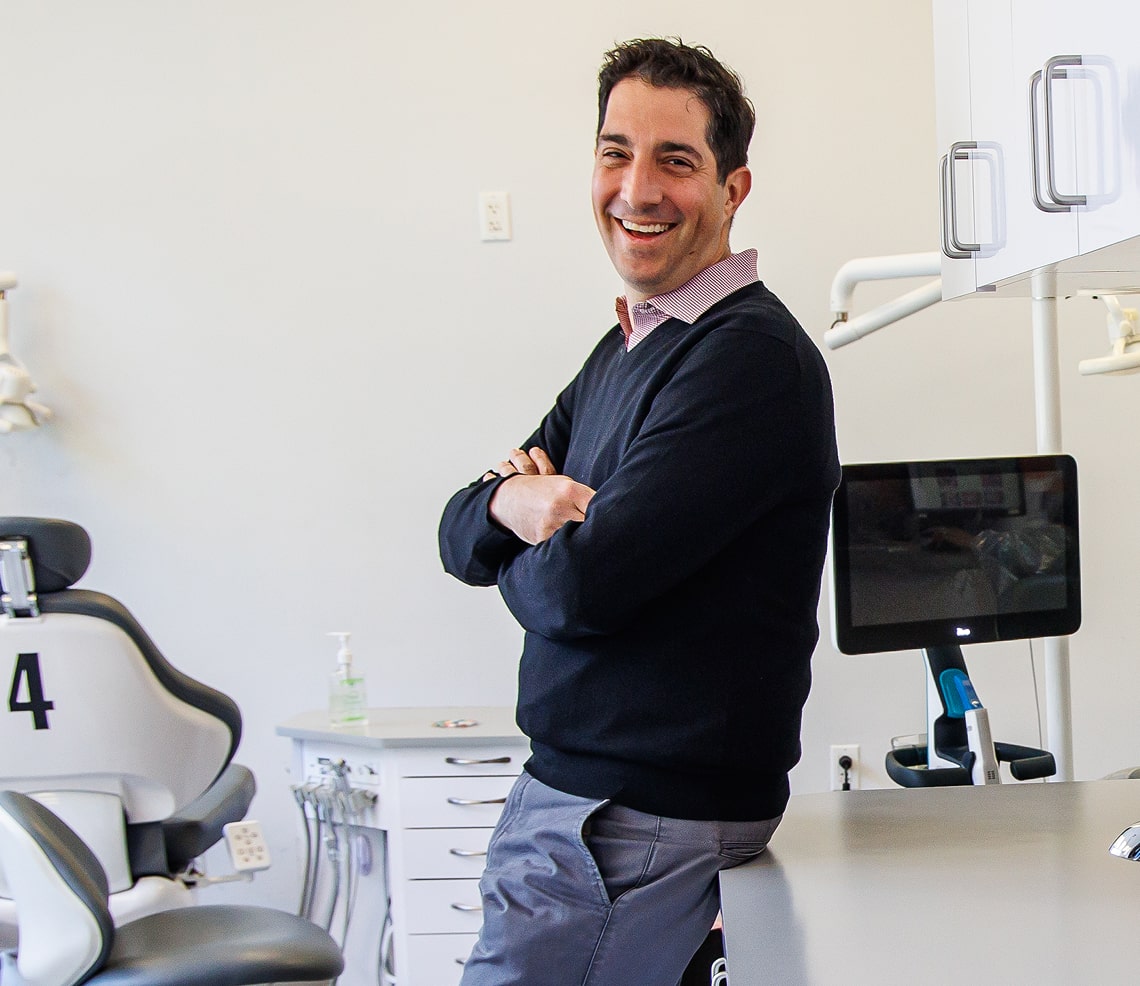
Orthognathic surgery, also known as corrective jaw surgery, is a procedure that repositions the upper jaw, lower jaw, or both to correct skeletal misalignment. It is recommended when jaw discrepancies cannot be corrected with braces or Invisalign alone. By improving jaw alignment, this treatment can enhance chewing, breathing, speech, and overall facial balance.
At Modern Orthodontics, we work closely with experienced oral and maxillofacial surgeons throughout New York City to diagnose and plan orthognathic cases with precision. Our role as orthodontic specialists is to evaluate your bite, guide pre- and post-surgical orthodontic treatment, and coordinate every stage of care. If you are concerned about jaw alignment, we invite you to schedule an evaluation at our Tribeca, Harlem, or Bronx locations.
This Article will address
- What orthognathic surgery is and how it works
- What problems corrective jaw surgery can correct
- How to know if you are a candidate for jaw surgery
- What the treatment timeline looks like
- The benefits of orthognathic surgery
- Why choosing an orthodontic specialist in NYC matters
What Is Orthognathic Surgery?
Orthognathic surgery is a corrective jaw procedure designed to reposition the upper jaw, lower jaw, or both when skeletal discrepancies affect bite alignment. Unlike routine orthodontic treatment that moves teeth, this surgery addresses the underlying jaw structure.
Jaw misalignment can result from genetics, growth differences, injury, or developmental conditions. When the upper and lower jaws do not align properly, patients may experience difficulty chewing, speech challenges, facial imbalance, or airway concerns.
Orthodontics is typically required before and after surgery. Braces or aligners prepare the teeth for their new position, and refinement continues once healing is complete. Common procedures may involve repositioning the upper jaw, lower jaw, or both jaws to achieve functional harmony.
Many patients can choose either braces or Invisalign, even if orthognathic surgery is planned.
How Orthodontics and Jaw Surgery Work Together
Orthodontic treatment aligns the teeth so that when the jaws are surgically repositioned, the bite fits together correctly. After surgery, additional orthodontic adjustments fine-tune the result. This coordinated approach ensures both structural correction and long-term stability.
What Problems Can Jaw Surgery Correct?
Corrective jaw surgery may be recommended for patients experiencing:
- Severe overbite or underbite
- Open bite where front teeth do not touch
- Crossbite
- Noticeable facial asymmetry
- Jaw size discrepancies, where one jaw is disproportionate in size to the other
- Small lower jaws with weak chin points
- Large lower jaws with prominent chin points
- Difficulty chewing or biting food
- Speech concerns
- Jaw pain or TMJ symptoms
- Breathing issues, including obstructive sleep apnea
When these concerns are caused by skeletal discrepancies rather than tooth position alone, braces or Invisalign may not fully correct the issue.
Untreated jaw misalignment can contribute to uneven tooth wear, gum recession, strain on jaw joints, and compromised airway function. Addressing the structural cause can improve both daily comfort and long-term oral health.
When Braces Alone Are Not Enough
If your bite shifts back after orthodontic treatment, or if your facial profile remains significantly imbalanced despite straight teeth, the underlying issue may involve jaw positioning. In these cases, a comprehensive orthodontic evaluation is essential.
How Do I Know If I’m a Candidate for Jaw Surgery?
Determining candidacy begins with understanding whether your misalignment is dental or skeletal. Dental issues involve tooth positioning. Skeletal discrepancies involve the size or position of the jaw bones themselves.
You may be a candidate if you:
- Have severe bite irregularities that cannot be corrected with orthodontics alone
- Have a severe overbite or underbite
- Experience chronic jaw discomfort
- Have difficulty chewing or speaking
- Notice significant facial imbalance
- Have airway or breathing concerns
At Modern Orthodontics, we use advanced imaging, digital scanning, and AI-assisted treatment planning to evaluate jaw structure with accuracy. Our comprehensive diagnostic process allows us to determine whether orthodontic treatment alone is sufficient or whether surgical collaboration is recommended.
Surgery is not appropriate for the large majority of people. At Modern Orthodontics, we proceed with combined orthodontic/orthognathic treatments only after a full evaluation and careful treatment planning.
What to Expect During an Orthognathic Consultation in NYC
The most important part of your orthognathic consultation is determining whether a surgical intervention is appropriate. As we prepare for your orthodontic/orthognathic treatment, we will:
- Perform digital scans and additional imaging
- Analyze facial balance and bite alignment
- Review your medical and dental history
- Discuss concerns related to chewing, breathing, or discomfort
- Coordinate with oral and maxillofacial surgeons when appropriate
- Develop a personalized treatment roadmap
Our team serves patients throughout New York City, including Tribeca, Harlem, and the Bronx, making coordinated care convenient and accessible.
What Does the Orthognathic Treatment Timeline Look Like?
Orthognathic treatment occurs in carefully planned stages.
Stage 1: Comprehensive Orthodontic Evaluation
Digital records, imaging, and detailed bite analysis are completed to confirm diagnosis.
Stage 2: Pre-Surgical Orthodontic Preparation
Braces or aligners are used to position teeth properly before surgery. This phase often lasts several months to over a year, depending on the case.
Stage 3: Surgical Phase
The oral and maxillofacial surgeon repositions the jaw. Hospital stay and immediate recovery vary, but most patients return home shortly after the procedure.
Stage 4: Recovery and Healing
Initial healing occurs over several weeks. Swelling and dietary modifications are expected during early recovery.
Stage 5: Post-Surgical Orthodontic Refinement
Orthodontic adjustments continue after the surgery to finalize alignment and ensure bite stability.
Each timeline is personalized based on complexity and patient goals.
What Are the Benefits of Orthognathic Surgery?
When properly planned and coordinated, orthognathic surgery can provide:
- Improved bite function
- Better chewing efficiency
- Reduced jaw strain
- Enhanced airway and breathing
- Improved facial balance
- Increased confidence
- Long-term oral health stability
Beyond structural correction, many patients report meaningful improvements in comfort and quality of life.
What Are the Risks of Orthognathic Surgery?
Orthognathic surgery is a well-established procedure, and most patients heal without complications. Still, it is important to understand the potential risks so you can feel prepared.
Possible risks may include:
- Swelling and bruising during early healing
- Temporary numbness in the lips, chin, or cheeks
- Discomfort and limited jaw movement during recovery
- Minor bleeding right after surgery
- Infection, which is uncommon and treatable
- A small risk of relapse or other healing complications. Following post-surgical instructions is very important.
Temporary numbness and swelling are among the most common concerns and usually improve as healing progresses. At Modern Orthodontics, we support patients with careful planning, advanced imaging, and close coordination with oral and maxillofacial surgeons so you understand what to expect at each stage of care.
How We Help Reduce Risk
At Modern Orthodontics, risk reduction begins long before surgery. We use:
- Digital images, scans, and radiographs for precise diagnosis
- Digital treatment planning to map jaw positioning
- Collaboration with experienced oral and maxillofacial surgeons
- Close monitoring throughout orthodontic preparation and refinement
Careful planning, clear communication, and adherence to post-operative instructions significantly improve outcomes. If you are considering corrective jaw surgery in New York City, we will walk you through each step during your consultation so you can make an informed decision that supports your long-term health and comfort.
Why Choose an Orthodontic Specialist in NYC for Surgical Cases?
Orthognathic cases require advanced training and precise coordination. Orthodontic specialists complete additional years of education beyond dental school, focusing exclusively on bite alignment and jaw relationships.
At Modern Orthodontics, our doctors trained at respected institutions including Columbia University, NYU, and Montefiore Medical Center. We integrate advanced 3D imaging, digital scanning, and AI-assisted treatment planning to design accurate, individualized treatment strategies.
With convenient locations in Tribeca, Harlem, and the Bronx, we provide coordinated care for families throughout New York City. Flexible scheduling and a patient-centered approach ensure a supportive experience at every stage.
Take the First Step Toward a Healthier, More Balanced Smile
If you are experiencing bite concerns, jaw discomfort, or facial imbalance, a comprehensive orthodontic evaluation can provide clarity. At Modern Orthodontics, we are committed to delivering advanced, individualized care throughout New York City.
Schedule a consultation at our Tribeca, Harlem, or Bronx location to learn whether orthognathic surgery may be part of your personalized treatment plan. Together, we can create a healthier, more confident smile built for long-term stability.
Sources

Dr. Maggie Romao
Born and raised in Brazil and a dual graduate of Columbia University (undergraduate and dental school), Dr. Romao completed her orthodontic specialty training at New York University in 2007. At Modern Orthodontics, she brings a warm, patient-centred approach to every smile transformation—drawing on her global background to connect with adults, teens and children alike. When she’s not helping patients achieve confident, healthy smiles, she enjoys life on the Upper West Side of New York with her three wonderful
Dr. Kenneth B. Cooperman
Dr. Cooperman earned his dental degree at Tufts University School of Dental Medicine in 1995 and went on to specialise in orthodontics at New York University in 2000. His career journey—from working with inmates in New Hampshire to his advanced training in multiple cities—reflects his commitment to precision, care and social responsibility. At Modern Orthodontics, he pairs technical expertise with a personable, transparent treatment style, ensuring each patient feels informed and supported. He lives on Manhattan’s Upper East Side with his family and their dogs, and brings that same sense of family-oriented care into the practice.