Finishing orthodontic treatment is an exciting milestone. Whether you have completed braces or Invisalign, seeing your new smile clearly for the first time can feel like a major transformation. Your teeth are straighter, your bite may feel more balanced, and your confidence can grow with every smile.
But life after orthodontic treatment is not just about enjoying the results. It is also about protecting them.
After braces or Invisalign, your teeth still need support as the bone and tissues around them adjust to their new positions. That is where retainers become essential. Retainers help keep your teeth aligned and reduce unwanted shifting over time.
At Modern Orthodontics in New York, NY, we help patients in Tribeca, Harlem, the Bronx, and surrounding NYC communities maintain their orthodontic results with personalized retainer guidance, follow-up care, and long-term support.
This Article will address
- What happens after braces are removed
- Whether Invisalign results are permanent
- Why retainers are needed after braces or Invisalign
- How long you need to wear retainers
- What types of retainers may be recommended
- How to clean and care for your retainer
- What to do if your retainer feels tight, breaks, or no longer fits
- How to maintain your orthodontic results long-term
- Where to get retainer care in New York, NY
What Happens After Braces Are Removed?
After braces are removed, your orthodontist will carefully evaluate your teeth, bite, and final results. This visit usually includes removing the brackets and adhesive from your teeth, polishing the enamel, and checking that your bite fits together as planned.
Many patients notice that their teeth feel unusually smooth after the brackets come off; others say that their teeth feel a little chalky or powdery. Some may experience temporary sensitivity or a slight adjustment period as they get used to chewing, speaking, and smiling without braces. These changes are normal and usually improve quickly.
This appointment is also when your retainer plan becomes a priority. Your orthodontist may take digital scans or impressions so your retainers fit your smile precisely. At Modern Orthodontics, our team uses advanced imaging, digital scanning, and careful treatment planning to support long-term stability after active orthodontic treatment.
Your Orthodontist Will Check Your Bite and Final Results
Braces do more than straighten teeth. They also help guide the bite into a healthier position. Once treatment is complete, your orthodontist will make sure your teeth, jaw, and bite are working together as intended.
This final evaluation helps determine the right post-treatment plan. Some patients may need removable retainers. Others may benefit from a fixed retainer, especially if certain teeth are more likely to shift.
You Will Receive Instructions for Wearing Your Retainer
Every patient’s retainer plan is different. Your instructions may depend on your age, treatment type, bite correction, tooth movement, and risk of relapse. Some patients are asked to wear retainers more often at first, then transition to nighttime wear once the teeth become more stable.
The most important thing is consistency. Wearing your retainer as directed helps protect the time, effort, and investment that went into your orthodontic treatment.
Is Invisalign Permanent?
Invisalign results can last long-term, but they are not automatically permanent without retainers. Like braces, Invisalign moves teeth into better alignment. Once treatment ends, the teeth can still shift if they are not held in place.
This does not mean Invisalign is temporary. It means the retention phase matters. Retainers are what help preserve your Invisalign results after the aligners are no longer actively moving your teeth.
Patients sometimes assume that clear aligner treatment ends with the final tray. In reality, the final tray is not a substitute for a long-term retainer plan. After Invisalign, custom retainers are typically recommended to help keep the teeth in their corrected positions.
Why Teeth Can Shift After Invisalign
Teeth naturally respond to pressure from chewing, speaking, jaw movement, aging, and oral habits. The bone and gum tissue around the teeth also need time to stabilize after movement. Without retention, teeth may gradually move back toward their previous positions.
This shifting can happen slowly, which is why many patients do not notice it right away. A retainer helps prevent small movements from becoming larger alignment issues.
How Retainers Help Keep Invisalign Results Stable
Retainers help hold your teeth in place after Invisalign treatment is complete. They are custom-made to fit your smile and support the alignment created during treatment.
At Modern Orthodontics, we help patients understand how often to wear retainers, how to care for them, and when to schedule a check if something feels different. This guidance is especially important for patients who want their Invisalign results to last for years.
Why Do You Need a Retainer After Braces or Invisalign?
You need a retainer after braces or Invisalign because teeth can shift after orthodontic treatment. Retainers are designed to hold your teeth in their new positions while the surrounding bone, gums, and ligaments adjust.
Orthodontic treatment changes the position of your teeth, but your mouth continues to change throughout life. Retainers help reduce relapse, which is the movement of teeth back toward their former positions.
Retainers Help Protect Your Orthodontic Results
Your new smile represents months or years of effort. Retainers help protect that progress. Without them, even beautifully aligned teeth can slowly move out of place.
Retainers are especially important during the first stage after treatment because the teeth may be more likely to shift. Following your retainer instructions helps your smile stay stable as your mouth adjusts.
Retainers Support Long-Term Smile Stability
Retention is not an optional extra. It is part of complete orthodontic care. A strong retention plan helps maintain both the appearance and function of your smile.
Wearing retainers is similar to maintaining your results after exercising and getting physically fit: once you achieve your goals, you have to do some maintenance in order to prevent things from going back to the way they were.
For many patients, retainer wear becomes a simple part of the daily routine. Just like brushing and flossing, wearing your retainer can help protect your oral health and preserve your results.
How Long Do You Need to Wear Retainers?
Most patients need to wear retainers consistently after orthodontic treatment. In many cases, retainers are worn more often at first and then transitioned to nighttime wear as directed by the orthodontist.
The exact schedule depends on your treatment plan and how your teeth respond after braces or Invisalign. Some patients may wear retainers full-time for a period after treatment. Others may move more quickly into nighttime wear.
At Modern Orthodontics, we generally recommend long-term nighttime retainer wear for almost all of our patients because teeth can continue to shift throughout life. The first one to two years after treatment are often especially important for stability.
Your First Retainer Schedule May Be More Frequent
The early retention phase is important because your teeth are settling into their new positions. Wearing your retainer consistently during this time helps reduce unwanted movement.
Skipping retainer wear during the early phase can make the retainer feel tight or uncomfortable later. It can also allow teeth to shift enough that the retainer no longer fits properly.
Nighttime Retainer Wear May Be Recommended Long-Term
After the initial retention phase, many patients are advised to wear retainers at night. This can help maintain the results without interrupting daytime routines.
Long-term retainer wear should not feel overwhelming. For many patients, it becomes a simple habit that protects their smile while they sleep.
What Types of Retainers Are Available After Orthodontic Treatment?
There are several types of retainers, and the right option depends on your teeth, bite, treatment history, and long-term stability needs. Your orthodontist will recommend the best type based on your individual smile.
Clear Retainers
Clear retainers are removable and fit closely over the teeth. They often look similar to clear aligners, making them a discreet option for many patients. This is the most common type of retainer, and patients usually prefer them because of their inconspicuousness and ease of use.
Because they are removable, clear retainers should be stored safely when not being used. They also need regular cleaning to prevent buildup, odor, and discoloration.
Hawley Retainers
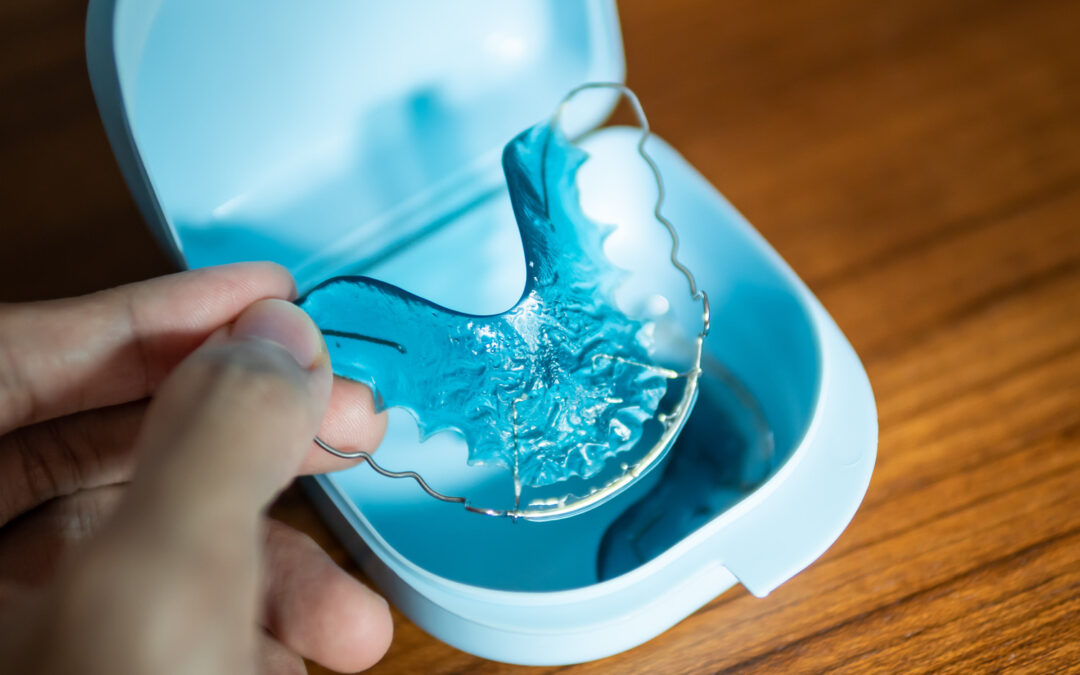
Hawley retainers are removable appliances made with acrylic and a thin metal wire that rests along the front of the teeth. They are durable and can sometimes be adjusted by the orthodontist.
Some patients like Hawley retainers because they are sturdy and easy to clean. Your orthodontist can explain whether this option is right for your smile.
Fixed Retainers
A fixed retainer is bonded behind the teeth, usually along the lower front teeth or upper front teeth. It stays in place and helps prevent shifting in areas that may be more prone to movement.
Fixed retainers can be helpful for patients who need added stability. However, they require careful flossing and cleaning around the wire to keep the teeth and gums healthy.
How Do You Care for Your Retainer?
Proper retainer care helps keep your appliance clean, comfortable, and effective. A retainer that is damaged, warped, or dirty may not fit properly or protect your results as intended.
For removable retainers, daily care is especially important. For fixed retainers, good brushing and flossing habits help prevent plaque buildup around the bonded wire.
Clean Your Retainer Every Day
Removable retainers should be cleaned regularly according to your orthodontist’s instructions. In many cases, this includes rinsing the retainer and gently cleaning it with soap and a soft piece of fabric or cotton swab.
Avoid harsh chemicals unless your orthodontist specifically recommends them. Retainers should also be kept away from very hot water, which can warp the material and affect the fit. They cannot be boiled to sterilize them; nor can they be microwaved.
Store Your Retainer Safely
When your removable retainer is not in your mouth, it should be in its case. Retainers are easy to misplace if they are wrapped in a napkin or left on a table.
They should also be kept away from pets, heat, and small children. A damaged or lost retainer should be replaced quickly to reduce the risk of tooth movement.
Avoid Eating With Removable Retainers
Most removable retainers should be taken out while eating unless your orthodontist gives different instructions. Eating with a retainer can damage it or trap food and bacteria against your teeth.
Before putting your retainer back in, brush your teeth when possible. If brushing is not available, rinse your mouth and clean the retainer as soon as you can.
What Should You Do If Your Retainer Feels Tight, Breaks, or No Longer Fits?
If your retainer feels tight, breaks, or no longer fits, contact your orthodontist as soon as possible. A tight retainer may mean your teeth have started to shift, especially if you have not worn it consistently.
Do not force a retainer into place if it causes pain or does not seat correctly. Forcing it can damage the retainer or put unhealthy pressure on your teeth.
When a Tight Retainer May Be a Warning Sign
Mild tightness can happen if you missed a night or two of retainer wear. However, if the retainer feels very tight, causes discomfort, or does not fully fit, your orthodontist should evaluate it.
A retainer check can help determine whether the appliance still fits properly or whether a replacement is needed.
When to Replace a Retainer
You may need a replacement retainer if it is cracked, warped, loose, broken, stained, has a strong odor, or no longer fits correctly. You should also contact the office if your retainer is lost.
Modern Orthodontics provides retainer care and replacement guidance for patients in New York, NY, including Tribeca, Harlem, and the Bronx. Prompt attention can help protect your orthodontic results before shifting becomes more noticeable.
How Can You Maintain Your Orthodontic Results Long-Term?
The best way to maintain your orthodontic results long-term is to follow your retainer instructions and stay connected with your orthodontic team. Retainers, healthy habits, and follow-up care all work together to protect your new smile.
To help maintain your results:
- Wear retainers according to your orthodontist’s instructions
- Keep removable retainers clean and stored safely
- Brush and floss consistently
- Clean carefully around fixed retainers
- See your general dentist every six months or as recommended for cleanings and caries exams
- Bring retainers to orthodontic checkups
- Schedule a visit if your retainer feels tight or uncomfortable
- Replace retainers when they are damaged, lost, or no longer fitting well
Long-term maintenance does not have to be complicated. With the right routine, you can enjoy the results of orthodontic treatment for years.
Why Choose Modern Orthodontics for Retainers in New York, NY?
Modern Orthodontics provides personalized orthodontic care for children, teens, and adults throughout New York City. With convenient locations in Tribeca, Harlem, and the Bronx, our team makes expert orthodontic care accessible for busy families, students, and professionals.
Our doctors bring advanced orthodontic training, experience, and a patient-first approach to every stage of care. Dr. Maggie Romao, Dr. Kenneth Cooperman, and Dr. Talia Aboud help patients feel informed, supported, and confident from the first consultation through post-treatment retention.
Experienced Orthodontic Specialists
Choosing an orthodontic specialist matters because retention is part of the larger treatment plan. Your retainer should support the final tooth positions, bite alignment, and long-term goals created during treatment.
At Modern Orthodontics, we use advanced technology, including digital scanning, 3D imaging, AI-assisted treatment planning, and 3D-printed appliances. This helps us deliver precise care while keeping the patient experience comfortable and efficient.
Convenient Orthodontic Offices in Tribeca, Harlem, and the Bronx
Modern Orthodontics serves patients across New York City with offices in:
- Tribeca
- Harlem
- The Bronx
Patients can call, text, or book online, making it easier to schedule retainer checks, replacement retainers, Invisalign visits, braces appointments, and ongoing orthodontic care.
Personalized Retainer Guidance After Braces or Invisalign
No two smiles are exactly the same. That is why we provide retainer instructions based on each patient’s treatment history, bite, and stability needs.
Whether you have just completed braces, finished Invisalign, or need help with a lost or tight retainer, our team can help you understand the next step.
Schedule a Retainer Check With Modern Orthodontics in New York, NY
Your orthodontic results deserve long-term protection. If you recently completed braces or Invisalign, your retainer is one of the most important tools for keeping your smile aligned.
Modern Orthodontics provides post-treatment care, retainer checks, and replacement retainer guidance for patients in Tribeca, Harlem, the Bronx, and surrounding New York City communities. Our team is here to help you protect your results with personalized care, advanced technology, and a supportive patient experience.
Call, text, or book online to schedule a visit with Modern Orthodontics in New York, NY.
Sources

Dr. Maggie Romao
Born and raised in Brazil and a dual graduate of Columbia University (undergraduate and dental school), Dr. Romao completed her orthodontic specialty training at New York University in 2007. At Modern Orthodontics, she brings a warm, patient-centred approach to every smile transformation—drawing on her global background to connect with adults, teens and children alike. When she’s not helping patients achieve confident, healthy smiles, she enjoys life on the Upper West Side of New York with her three wonderful
Dr. Kenneth B. Cooperman
Dr. Cooperman earned his dental degree at Tufts University School of Dental Medicine in 1995 and went on to specialise in orthodontics at New York University in 2000. His career journey—from working with inmates in New Hampshire to his advanced training in multiple cities—reflects his commitment to precision, care and social responsibility. At Modern Orthodontics, he pairs technical expertise with a personable, transparent treatment style, ensuring each patient feels informed and supported. He lives on Manhattan’s Upper East Side with his family and their dogs, and brings that same sense of family-oriented care into the practice.